Shield Icon 100% 满意保证
Clock Icon 30 分钟内马上开打
Support Icon 实时在线客服
Rating Icon 20,000+ 满意的客户
会员登录 Icon 会员登录

最香的忠诚度计划

超顺的三档会员忠诚计划,每个会员都能拿到同样高品质的奖励,而且档位越高福利越猛。
简单但超好用,这个方案绝对是 Eloking 代练服务里最划算的一档,让每个用户都能花最少的钱拿到最高的性价比和满意度。
返现 所有 Eloking boost 都有返现 (3%、5%、7%)
折扣 所有 Eloking boost 都有折扣 (5%、10%、15%)
好友折扣 好友推薦折扣 🤗
战利品箱 每天免费转一次 lootbox,奖励含金量业界顶尖
赛季奖励 会员专属赛季和活动优惠
Dota_Bottom_728x90_v1

Dota 2 Facets Two Years Later: Are They Actually Impactful or Just a Gimmick?

Dota 2 Facets Two Years Later: Are They Actually Impactful or Just a Gimmick?

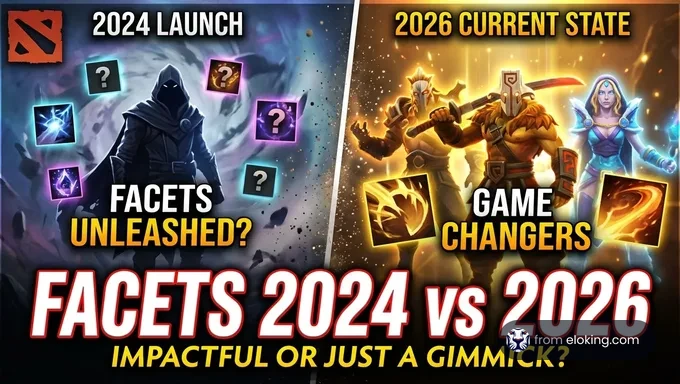
Dota 2’s Facets system turned two years old this month, and the community verdict is in: they’re underwhelming. A Reddit thread titled “Facets were added 2 years ago but I still don’t feel like they are as impactful as we expected” pulled 768 upvotes and over 300 comments — a clear signal that the excitement around this system has faded into quiet disappointment.

Facets were introduced in Dota 2’s New Frontiers update in 2024 as hero-specific customization options chosen at the start of each match. The idea was to add meaningful strategic depth to the drafting and laning phases — giving players a choice that would meaningfully alter how their hero played. Two years in, the reality hasn’t matched the promise. If you’re looking to understand which Facets actually matter in the current meta and which are trap picks, working with a Dota 2 coach from Eloking can help you make better pre-game decisions that translate into MMR gains.

Here’s where Facets stand in February 2026, what the community thinks went wrong, and whether Valve is likely to fix the system.

What Dota 2 Facets Were Supposed to Do

The Original Vision

When Valve introduced Facets alongside the massive New Frontiers map update, the pitch was compelling: each hero would have two or more Facets that modified their abilities or base stats in ways that changed your tactical approach. You’d choose your Facet during the laning phase, committing to a playstyle for the entire game. In theory, this meant every hero effectively had multiple sub-builds, increasing draft complexity and allowing players to adapt to specific matchups before the first creep wave spawned.

The system was positioned as Dota 2’s answer to the growing complaint that the hero roster felt “solved” — that experienced players already knew exactly how every hero should be played in every situation. Facets were supposed to reintroduce uncertainty and creativity into the picking phase.[1]

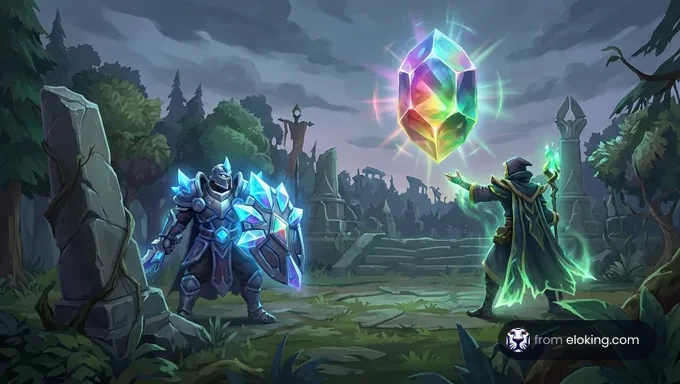
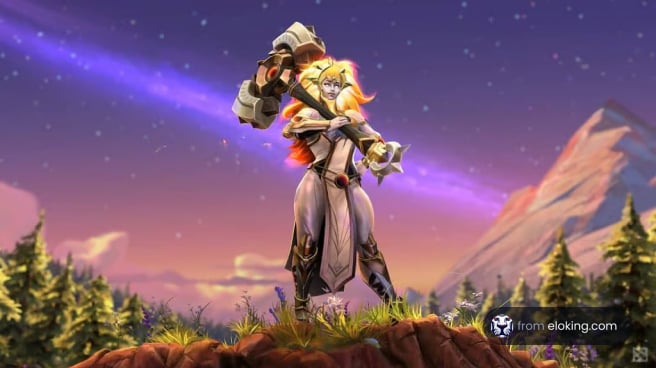
Dota 2 Facets selection screen showing hero customization options before a match.

Why Players Say Facets Fell Short

The “One Good Facet” Problem

The most common criticism in the 304-comment thread is straightforward: for the vast majority of heroes, one Facet is clearly better than the other. Instead of creating meaningful decisions, the system just added a mandatory extra click during the draft where you select the statistically superior option every single time. Dotabuff and other stat sites confirm this — many heroes have one Facet with a 55%+ pick rate and a corresponding win rate advantage that makes the alternative a soft-troll pick.

This isn’t a balance problem that can be fixed with number tuning alone. It’s a design problem. When one Facet gives you, say, +15% to a core ability’s damage and the other gives you a niche utility effect, the damage option wins in 90% of games. Making the niche option stronger would just reverse which one is dominant. True strategic choice requires options that are strong in genuinely different situations, not options where one is universally better.

Pro Play vs Pubs: Different Realities

There’s a counter-argument worth addressing: in professional Dota 2, Facet selection does matter more. Pro teams analyze opponent tendencies and choose Facets based on lane matchups, timing windows, and team composition synergies. The Facet choice between an aggressive laning option and a scaling option can define how a pro team approaches the first 10 minutes.

That said, professional play represents less than 0.01% of all Dota 2 games. If a system only delivers its intended value at the very highest level of play, most of the playerbase will rightfully feel that it doesn’t impact their games. The Reddit community pointed this out repeatedly — what works in a TI grand final doesn’t necessarily translate to a 3K MMR pub game where players don’t even read what their Facets do. Understanding the fundamentals that actually matter in your bracket is more important, which is why our guide on how MMR works in Dota 2 is a better starting point than optimizing Facet picks.

Which Heroes Actually Have Meaningful Facet Choices

The Exceptions That Prove the Rule

Not every hero’s Facets are poorly designed. Several heroes have emerged as examples of what the system can look like when it works. Invoker’s Facets, for example, meaningfully change whether you prioritize Quas-Wex or Exort leveling from the very start, creating two distinct laning identities. Morphling’s Facets alter the risk-reward profile of his Attribute Shift in ways that change your teamfight approach. And heroes like Earth Spirit and Meepo have Facets that genuinely split the community on which is optimal — the exact dynamic the system was designed to create.

The key differentiator? These successful Facets change how you play the hero, not just how much damage a particular ability does. When a Facet alters your playstyle rather than your stat line, players engage with the decision meaningfully. But designing playstyle-altering Facets for 100+ heroes is a massive undertaking, and Valve has historically preferred large infrequent updates over continuous iteration on systems like this. For a deeper look at hero-specific strategies, our best solo queue heroes guide covers which heroes currently benefit most from their Facet options.

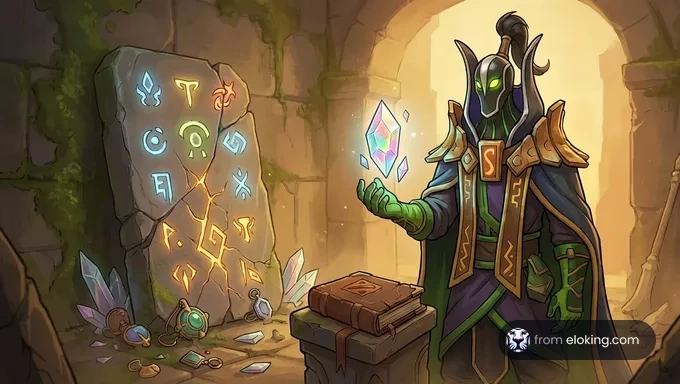
Dota 2 hero selection showing Facets with different strategic options for gameplay customization.

Will Valve Fix Facets or Move On?

Valve’s Track Record With Systems

Valve’s history with new Dota 2 systems suggests two possible outcomes. The optimistic path: Facets get a major rework in a future patch, similar to how Aghanim’s Shard was introduced, iterated on, and eventually became a core part of every hero’s toolkit. The pessimistic path: Valve quietly deprioritizes Facets in favor of the next big system addition, similar to how Neutral Items went through a period of community frustration before eventually finding equilibrium.

The 2026 tournament schedule offers some hints. The community is searching for “dota 2 2026 tournaments,” “dota 2 2026 ti,” and “dota 2 new hero” in Google Autocomplete — suggesting player attention is focused on events and new content rather than system refinement. Valve tends to follow player attention, which means Facet improvements may take a backseat to new hero releases and TI preparation.

No official Valve statement on Facets’ future has been made. The system exists, it works mechanically, and patches continue to tweak individual hero Facet options on a per-hero basis. Whether a comprehensive redesign is coming or whether the community should accept Facets as a minor system rather than the game-changer they were marketed as remains an open question. If you’re focused on climbing MMR, check out our guide on ranking up as support in Dota 2 — understanding your role’s fundamentals matters far more than Facet optimization at most skill levels.

The Bottom Line on Dota 2 Facets

Two years after their introduction, Facets are a system that delivers on its promise in about 15-20% of hero matchups and feels like a mandatory-but-meaningless click for the rest. The design concept is sound — pregame strategic decisions that change how you approach a hero — but the execution relies on Valve investing significant design effort into making each hero’s options genuinely competitive.

What’s confirmed: most heroes have one dominant Facet per Dotabuff data. Pro play uses Facets more meaningfully than pub play. Select heroes (Invoker, Morphling, Earth Spirit) demonstrate what good Facet design looks like. What’s unknown: whether Valve will invest in a comprehensive Facet rework, when the next major Dota 2 patch will arrive, and whether new heroes will be designed with better Facet integration from the start.

References

  1. [1] "Facets discussion - r/DotA2". reddit.com. Retrieved February 11, 2026

FAQs

Facets are hero-specific customization options chosen during the draft phase. Introduced in the 2024 New Frontiers update, each hero has two or more Facets that modify abilities or stats.
For most heroes, one Facet is statistically dominant with 55%+ pick rates per Dotabuff. Meaningful Facet choices exist for select heroes like Invoker, Morphling, and Earth Spirit.
No official statement from Valve exists about a Facets rework. Individual hero Facets receive ongoing patch adjustments, but a comprehensive system overhaul has not been announced.
Invoker, Morphling, and Earth Spirit are community-cited examples of well-designed Facets that genuinely alter playstyle rather than just adjusting stat numbers.
Yes, professional teams analyze matchups to select Facets based on lane dynamics and team composition. In pub games, most players default to the statistically superior option.

接下来要干嘛

既然你已经学到一些新的 Dota 2 知识了,那就该开打了,把技术练起来。我们可以帮你! 现在就下单 Eloking 的 Dota 2 Boost 吧 直接从你该有的段位开打!

或者你也可以加入我們的 Discord Server,一起參加各種抽獎活動!

马上购买 Dota 2 Boost

查看 Dota 2 最新消息

如何玩最新的Dota 2英雄Largo
03 Feb 2026
如何玩最新的Dota 2英雄Largo

Dota 2虽然在受欢迎程度上可!…

博客 Breadcrumb divider Dota 2 Scroll to Top

你是不是
電玩
狂熱粉

subscription-tnx
感谢订阅!🎉

本网站会用 cookies 来提升你的使用体验。继续使用我们的网站,就代表你同意我们根据 Cookie Policy 使用所有 cookies。

Thank You for
Your Order!

Please, set up your password. You will be using your email and this password to access the Member Area in the future!